




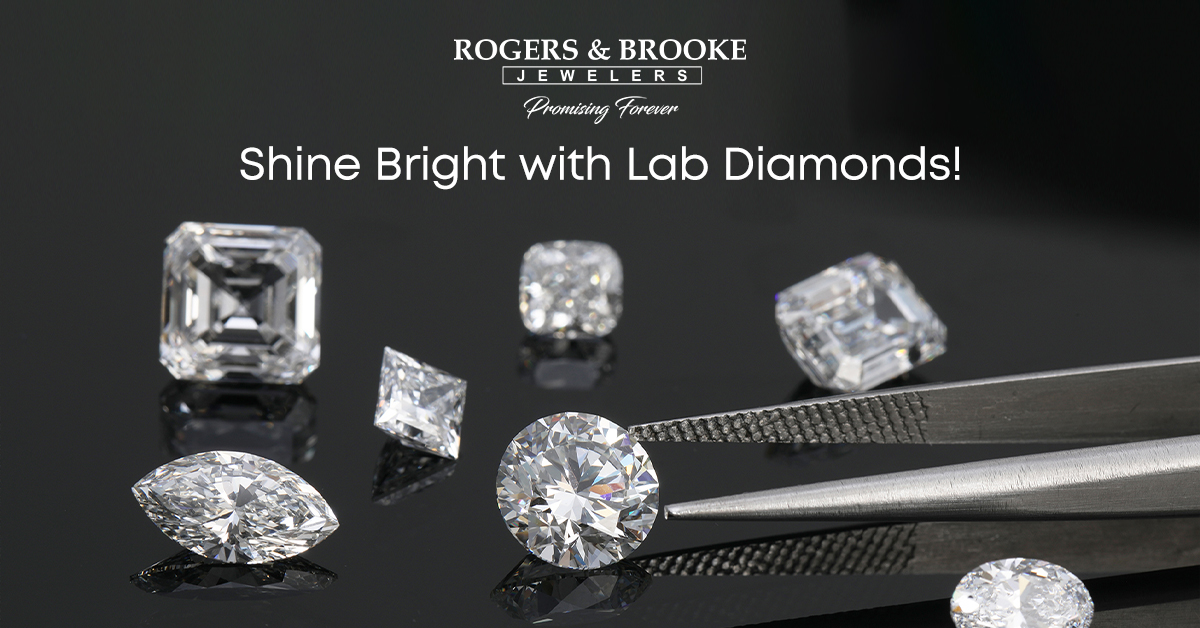
A lab grown diamond pendant gives you the same brilliance, hardness, and clarity as a mined diamond, usually for thirty to forty percent less at the same carat weight, because it skips the cost of mining and shipping rough stone around the world. That price difference is the main reason shoppers choose one, but it is not the only reason. Here is what actually sets a lab grown diamond pendant apart, and what to look for before you buy one.
They Look and Test Exactly Like Mined Diamonds
A lab-grown diamond is not a simulant, nor is it cubic zirconia. It is carbon, grown under heat and pressure that mimics the conditions deep in the earth, and it comes out chemically, physically, and optically identical to a diamond pulled from the ground. A jeweler’s loupe will not tell the two apart, and neither will a standard diamond tester, since both read carbon structure rather than origin. The only way to know for certain is the grading report, which is why every lab grown diamond pendant at Rogers & Brooke Jewelers ships with its certification from an independent lab such as IGI or GIA.
The Price Gap Is Real, and It Buys You More Diamond
Mined diamonds bear the costs of exploration, extraction, transport, and a supply chain with several built-in markups before the stone ever reaches a setting. Lab-grown diamonds remove almost all of that, which is why a one-carat lab-grown diamond pendant typically costs a fraction of what the same cut, color, and clarity would cost in a mined stone. That gap means you can step up in carat weight or in clarity grade for the same budget, so a piece that would stretch your budget in a mined diamond becomes comfortably within reach in a lab grown one.
Checking the 4Cs Still Matters
Cut, color, clarity, and carat weight are graded for a lab-grown diamond exactly the way they are for a mined one, and quality still varies from stone to stone. A well-cut lab-grown diamond in the G to H color range with VS clarity will read brighter and cleaner than a poorly cut stone with a higher carat number, so do not shop on carat weight alone. Ask to see the certification before you buy, and compare the cut grade across a few options rather than choosing on size first.
An Ethical, Lower Impact Choice
Lab grown diamonds are produced in a controlled facility rather than mined from the ground, which means no large-scale excavation and a much smaller water and land footprint per carat. For shoppers who care about where a stone comes from and how it was made, that is a meaningful difference, and it is one of the fastest-growing reasons buyers give for choosing lab-grown over mined.
Built to Wear Every Day
Lab grown diamonds rank a 10 on the Mohs hardness scale, the same as mined diamonds, since hardness is a property of the carbon structure itself and has nothing to do with how the stone formed. A lab-grown diamond pendant will resist scratching through years of daily wear, and it needs the same simple care as any fine diamond piece: a soft cloth after wear, a mild soap and water soak every few weeks, and a yearly check of the prongs or bail if you wear it often.
A Style for Every Occasion
Pendant settings range from a single round solitaire on a thin chain for everyday wear to a halo or cluster design with more presence for evenings out. Round and princess cuts tend to be worn daily, while pear, oval, and marquise shapes appear more often in pieces reserved for special occasions. A lab grown diamond solitaire pendant in white gold reads clean and modern, yellow gold leans classic, and rose gold gives the same stone a softer, warmer look.
A Thoughtful Gift, With One Caveat
A lab-grown diamond pendant makes a thoughtful gift for an anniversary, graduation, or milestone birthday, and many buyers choose one to complement an engagement ring, pairing it with the ring rather than replacing it. If you are shopping specifically for an engagement gift, a ring is still the more traditional centerpiece, but a pendant makes a strong second piece or a thoughtful gift for someone who already has one.
Why Shop With Rogers & Brooke Jewelers
Every lab-grown diamond pendant we carry comes with an independent certification, so you know exactly what you are buying before it leaves the store. Our selection runs from simple solitaire styles to halo and cluster settings in white, yellow, and rose gold, and our team in Evansville is glad to walk you through the 4Cs in person or help you compare a few options side by side. You can browse our full lab-grown diamond pendant collection online or stop in to see pieces in person.
FAQs: Why Choose a Lab Grown Diamond Pendant?
Yes, especially as a complementary piece alongside an engagement ring or as a gift for someone who already has one. You get a real diamond at a noticeably lower price per carat, which makes a larger or higher clarity stone realistic on a modest budget.
A ring remains the traditional centerpiece for an engagement, but a lab-grown diamond necklace works well as a paired gift or as the main piece for someone who prefers a necklace over a ring.
The main benefits are a lower price for the same carat and clarity, a smaller environmental footprint than mining, and the same brilliance and hardness as a mined diamond, all backed by independent certification.
Yes. Lab-grown diamonds score a 10 on the Mohs hardness scale, identical to mined diamonds, since hardness comes from the carbon structure rather than how the stone was formed.
They are produced in a controlled facility instead of mined from the ground, which avoids large scale excavation and significantly reduces the water and land impact per carat compared to traditional mining.